
Sex work isn’t a monolith. It’s a spectrum of choices made under vastly different circumstances - by people who need income, by those seeking autonomy, by others navigating complex systems of power and survival. What ties most of these experiences together isn’t the act itself, but the need for clear, respected boundaries. Without them, safety crumbles. Without them, exploitation thrives. And without them, even voluntary work becomes dangerous.
Some people search for services like euro girls escort dubai because they’re looking for companionship, not just physical contact. That’s not unusual. What matters is whether the interaction respects the worker’s limits - not just legally, but emotionally and physically. Too often, the conversation around sex work skips straight to legality or morality, and leaves out the human part: the person doing the work, and what they need to feel safe.
Boundaries aren’t optional - they’re survival tools
Every sex worker, whether they work independently, through an agency, or online, has a list of hard limits. These aren’t negotiable. They’re the line between a job and a trauma. Some won’t take clients who don’t use protection. Others refuse to go to hotels. Some only work during daylight hours. A few won’t touch certain body parts - ever. These aren’t quirks. They’re the result of hard lessons learned.
A study from the University of Edinburgh tracked over 300 sex workers across Europe and North America. Nearly 80% reported setting at least three non-negotiable boundaries. Of those, 92% said sticking to them reduced incidents of violence or coercion. That’s not a coincidence. Boundaries are the first line of defense.
How clients cross lines - and how to avoid it
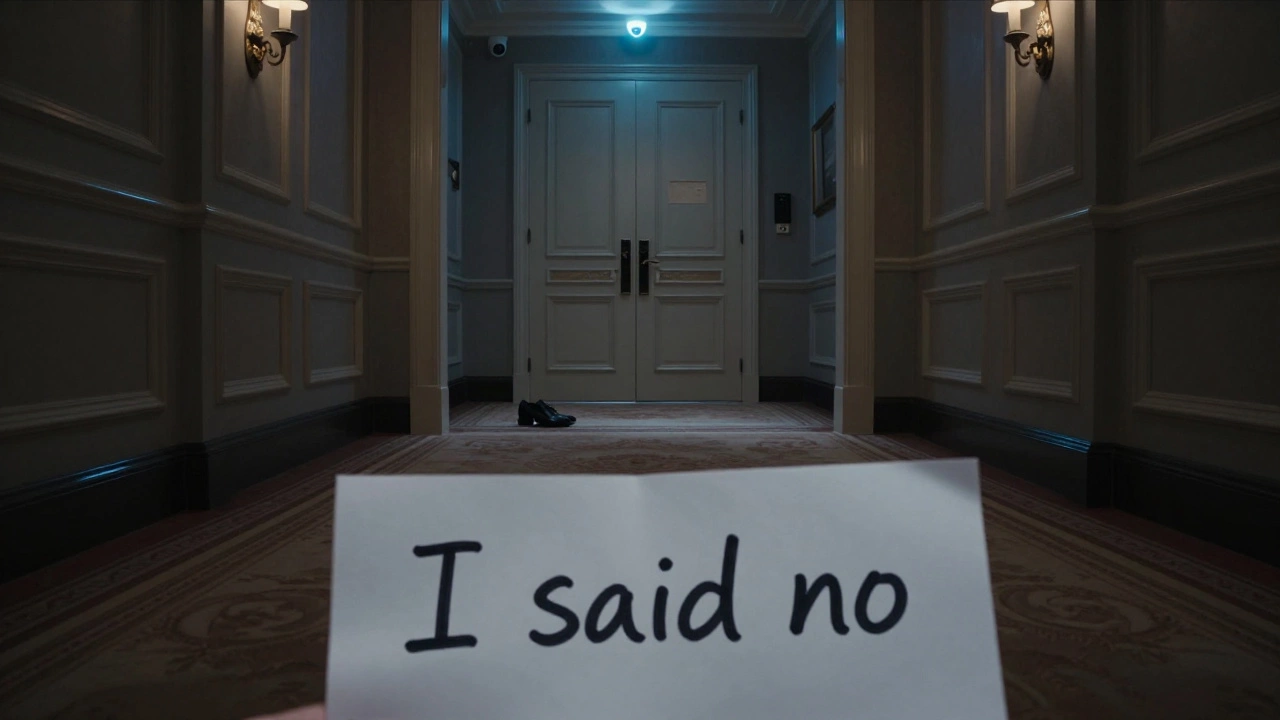
It’s easy to assume that if someone is offering a service, they’re open to anything. That’s a myth. Clients who assume consent is implied, or that silence means agreement, are the ones who cause harm. A client might say, “You’re here to please me,” or “I paid for this, so you owe me.” Those aren’t requests. They’re violations.
Respectful clients ask: “What are your limits?” They listen. They don’t push. They understand that if a worker says no to something, it’s not a challenge - it’s a boundary. And if the client doesn’t respect that, they leave. No negotiation. No guilt. No second chances.
Some workers use screening tools - like asking for ID, doing video calls before meeting, or sharing their location with a friend. Others rely on word-of-mouth networks. These aren’t paranoia. They’re strategies. And they work.
The myth of the “happy escort”
Media loves stories about the “euro escort girls dubai” who drive luxury cars and live in penthouses. It makes for a good headline. But it’s not the full picture. Many workers are single parents, immigrants, students, or people escaping abusive situations. They don’t choose this work because it’s glamorous. They choose it because it’s one of the few options that pays enough to survive.
When people romanticize sex work, they erase the real risks. The stigma. The police harassment. The loss of custody rights. The way landlords kick tenants out when neighbors find out. The way family members cut ties. The way mental health suffers from constant judgment.
That’s why boundaries aren’t just about what happens in a room. They’re about how the world treats the person doing the work. A worker who can say no to a client without fear of being reported to the police? That’s freedom. A worker who can take a day off without losing rent? That’s dignity.

Legal systems don’t protect - they punish
In most places, sex work is either illegal or so heavily regulated that it’s nearly impossible to work safely. Even where it’s decriminalized, like in parts of Canada or New Zealand, workers still face stigma, lack of housing, and no access to labor protections. No sick leave. No workers’ comp. No legal recourse if a client steals money or assaults them.
Decriminalization isn’t about making sex work legal. It’s about removing criminal penalties so workers can report abuse, access healthcare, and negotiate terms without fear. In New Zealand, since decriminalization in 2003, reports of violence dropped by 40%. Workers reported feeling safer. Clients reported feeling more respectful. The difference wasn’t the law itself - it was the ability to speak up without being arrested.
When laws target workers instead of predators, boundaries become impossible to maintain. You can’t set limits if you’re afraid to call the police.
Online work changed everything - but not for everyone
More workers now operate online. They use platforms like OnlyFans, Patreon, or private messaging apps. This gives them control. They set prices. They choose clients. They screen messages. They can work from home. But it’s not perfect.
Platforms can shut accounts down without warning. Payments get frozen. Harassment is common. Some clients send threats or try to blackmail. And even online, boundaries get crossed - through unsolicited explicit requests, pressure to do things outside agreed terms, or attempts to move the interaction offline.
One worker in Toronto told me she turned down 17 clients in a month because they asked her to send nudes without payment. She kept her boundaries. She kept her safety. And she kept her income.
What support actually looks like
Real support doesn’t come from charities handing out flyers. It comes from policies that protect workers. From landlords who don’t evict. From banks that don’t freeze accounts. From doctors who don’t judge. From police who take reports seriously.
Community-led organizations make the biggest difference. Groups like SWOP (Sex Workers Outreach Project) in the U.S. or the Canadian Alliance for Sex Work Law Reform offer legal aid, mental health counseling, and peer networks. They don’t try to “rescue” workers. They empower them.
Support also means listening. Not preaching. Not judging. Not telling someone what they should do. Just asking: “What do you need?”
The role of language
Words matter. Calling someone a “prostitute” or “hooker” dehumanizes them. Saying “sex worker” is simple, accurate, and respectful. It doesn’t assume their story. It doesn’t label them by their job.
Same goes for how we talk about clients. Not all clients are predators. Some are lonely. Some are grieving. Some are just curious. But none of that excuses violating boundaries. Respect isn’t earned by paying money. It’s earned by honoring limits.
When you hear someone say, “I just want to be treated like a person,” they’re not asking for a miracle. They’re asking for basic human decency.
What you can do - even if you’re not involved
You don’t have to be a sex worker to help. You can challenge stigma when you hear it. You can refuse to laugh at jokes about “escorts.” You can support organizations that fund legal aid for workers. You can vote for policies that decriminalize sex work.
And if you’re ever in a position to hire someone - whether for companionship, cleaning, or any service - remember this: Their value isn’t in how much they’ll do for you. It’s in how much they’re allowed to say no.
One worker in Vancouver said it best: “I’m not here to be your fantasy. I’m here to be paid. And if you can’t respect that, then you’re not worth my time.”
That’s the truth. And it’s the only boundary that really matters.
Some people search for services like euro girl escort dubai because they’re looking for a specific experience. But the real question isn’t what they want - it’s whether they’re willing to honor the person they’re paying.